 EN
 IT
 TR
Music in Worship
About LCME Music in Worship exams
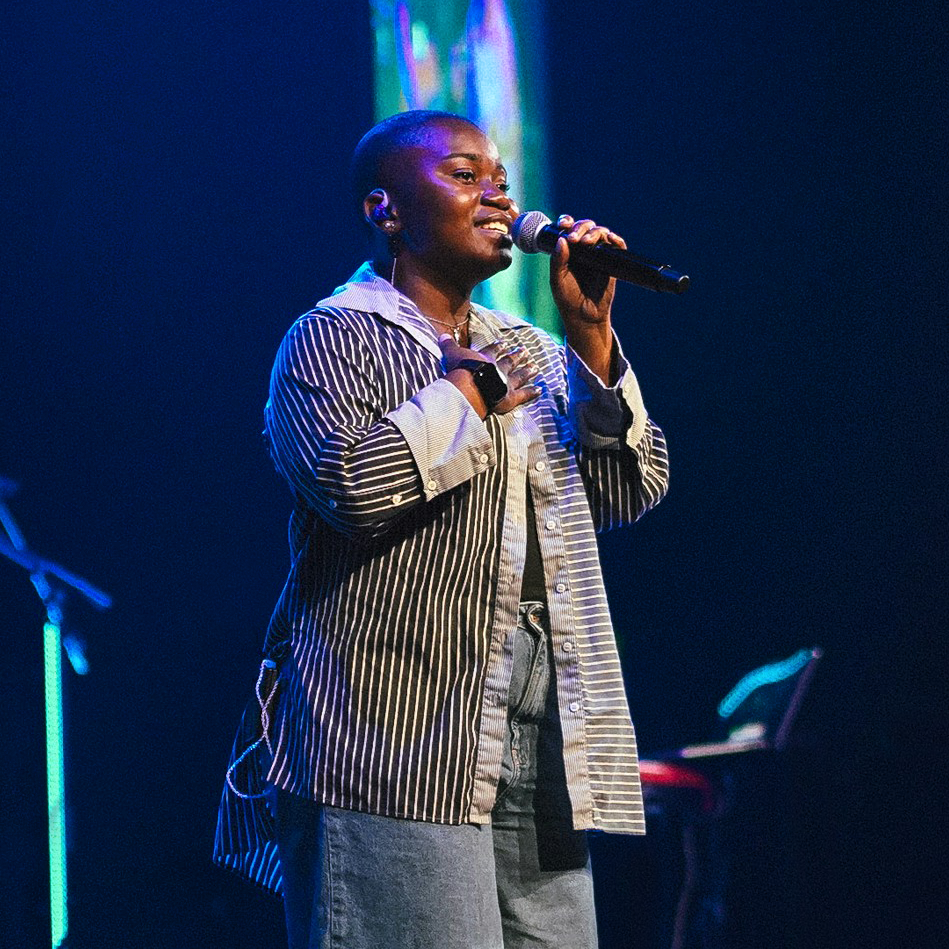
Music in Worship is our qualification for anyone who plays or sings as part of worship. It replaced Church Music on 4 November 2026. The syllabus is an expansion of the previous syllabus, with more flexibility.
Worship music takes many forms, so the syllabus is built around how you play or sing rather than one instrument or one tradition. You choose from 11 principal instruments and voices, from pipe organ and classical singing to drum kit, bass guitar and popular music vocals. You can play one piece on a second instrument or voice. Singers can accompany themselves on piano or guitar.
Most of the repertoire is your choice. Each grade asks for a hymn or worship song, a piece suitable as a voluntary or incidental music, and one more piece suitable for worship. You can draw on hymns, worship songs, pieces from other LCME syllabuses or your own choices, in any style and any religious tradition.
Music in Worship grades
Exam levels
- Grades 2, 4, 6 and 8
Grades 6 and 8 attract UCAS Tariff points, helping to open doors to university courses in the UK. Find out more about LCME qualifications and UCAS points.
Exam options
We offer two assessment options, both available as in-person or digital exams:
- Graded exam: performance of three pieces, technical work, a discussion, an unseen test and aural tests. Technical work, the unseen test and aural tests follow the syllabus for your principal instrument.
- Recital Grade: a performance-focused alternative. Candidates perform four pieces, then choose either a fifth piece or one supporting test (discussion, unseen test or aural tests). Up to two pieces can be performed on a second instrument or voice.
Principal instruments and voices
Acoustic guitar, bass guitar, classical guitar, classical singing, drum kit, electric guitar, electronic keyboard, electronic organ, piano, pipe organ and popular music vocals.
Candidates playing bass guitar or drum kit must be accompanied for the hymn and the voluntary or incidental music. Accompaniment can be live or a backing track.
What's covered in the updated Music in Worship syllabus
Music in Worship diploma exams
Our diplomas offer formal recognition of advanced skills in music for worship. We offer university-awarded performance diplomas at DipLCM, ALCM and LLCM levels. These were previously Church Music diplomas, and their content is unchanged.
Download the diploma syllabus (PDF)
Resources
Principal instrument syllabuses
For technical work, unseen tests and aural tests, use the syllabus for your principal instrument:
Ready to book an exam?
Take the next step with a qualification built around how you play and sing in worship.
Stay in tune with LCME
Receive syllabus updates, exam news and LCME community updates.